C&T 807
Multicultural Education
This course examines the theory and practice of multicultural education, focusing on culturally relevant and sustainable pedagogy as tools to analyze and address systemic inequities in P–12 education, particularly from the perspectives of students and communities of color.

For your final Media Project Analysis Paper, choose a focus such as race, gender, or ethnicity and analyze how it is represented in media like TV, books, or the internet. Review existing research, examine common images and stereotypes, and reflect on who is included or left out. Consider how these portrayals impact students, teachers, and schools. Summarize your findings and suggest ways media can support critical thinking and improve representation within a multicultural education framework.

In this reflection, I share how the History of Curriculum Design course deepened my understanding of curriculum theory and inspired me to more intentionally integrate diverse perspectives, inclusive practices, and holistic development into our play-based preschool model.
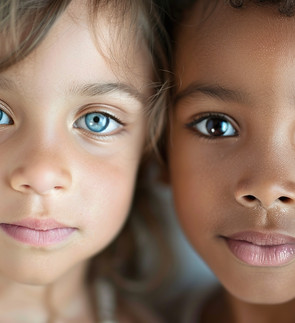
This assignment asks you to watch the PBS Frontline program featuring Jane Elliott's classroom activity, read supplemental articles, and reflect on her ethical dilemma using concepts from Richert’s (2012) text. You are to analyze the social context, factors she considered, and the complexity of her decision to conduct the “blue eyes/brown eyes” discrimination exercise. The reflection should explore how her rural setting, teaching role, and cultural moment influenced her actions, and then compare your perspective—whether or not you would have made the same choice—while drawing parallels to the ethical decision-making framework outlined in Richert’s work.

In this reflection, I analyze the ethical dilemma Jane Elliott faced in conducting her classroom discrimination exercise, exploring the risks she took, the values she upheld, and how her actions inspired me to consider the power and responsibility educators hold in shaping students’ understanding of justice and equity.
Professional Development Resources
Below are links to professional development resources focused on multicultural education. These tools and videos offer practical strategies and powerful insights to help educators create more inclusive, culturally responsive classrooms that honor and reflect the diverse backgrounds of all students.
In the video "Getting Serious about Education: Culturally Relevant Teaching for New Century Students," Dr. Gloria Ladson-Billings, Assistant Vice Chancellor of Academic Affairs at the University of Wisconsin-Madison, explores the importance of culturally relevant pedagogy in modern education. She discusses strategies for educators to effectively engage diverse student populations by integrating cultural references into teaching practices, aiming to enhance academic success and foster inclusive learning environments.
The ASCD article "The Importance of Multicultural Education" emphasizes that integrating multicultural education into the curriculum is essential for boosting academic success and preparing students to be productive citizens. It argues that multicultural education should not be treated as an add-on but rather as a fundamental component of teaching that fosters inclusion, equity, and global awareness.
In his TEDx talk titled "We Are All Different—and THAT'S AWESOME!", ten-year-old Cole Blakeway shares his friendship with Steven, a 44-year-old man with autism, highlighting the beauty of embracing differences and the profound connections that can arise from understanding and acceptance.
"A Class Divided" is a documentary that examines an anti-racism exercise conducted by teacher Jane Elliott with her third-grade class in 1968 following the assassination of Dr. Martin Luther King Jr. Elliott divided her all-white class into groups based on eye color—blue-eyed and brown-eyed—and treated them differently to simulate the experience of discrimination. The exercise highlighted how quickly children adopted discriminatory behaviors when placed in a context that favored one group over another. The film also explores the long-term impact of the exercise on the students and its relevance to discussions about prejudice and discrimination.